
Developmental Educators provide holistic, person-centred therapy and support which highlights each participant's unique strengths. DE's are informed by developmental and behavioural theories, and inclusive practices that support all aspects of a person's wellbeing, independence, and participation in everyday life. DE therapy and support can include:
Emotional Regulation & Resilience
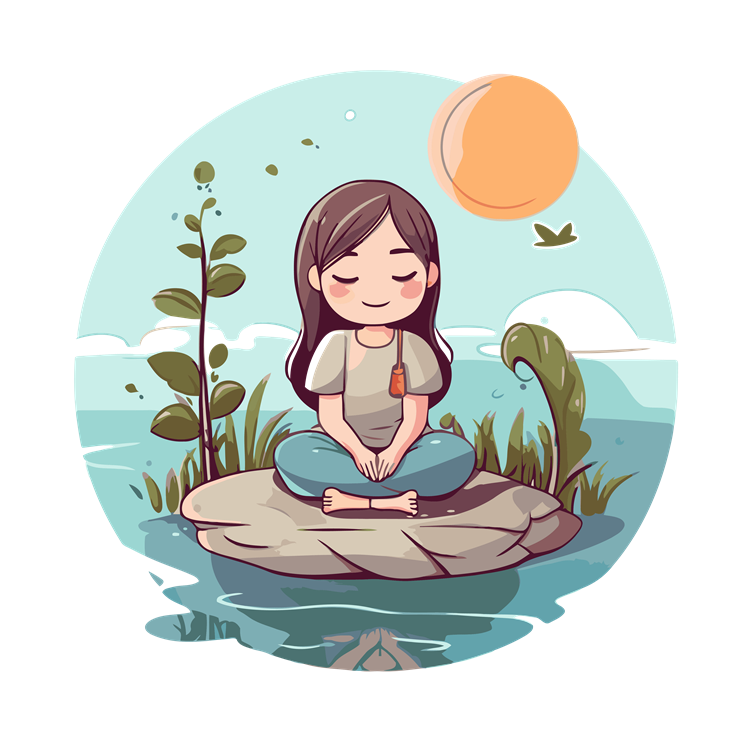
Emotional Resilience & Self Regulation
Supporting individuals to build healthy responses to stress and challenges using strengths-based strategies.
- Developing a personalised calming toolkit e.g., calming scent, stress ball of preference.
- Practising safe, effective ways in expressing overwhelm / big emotions through thoughtful discussions, modelling, role-play and or coaching.
- Identifying and addressing stressors, anxiety and or overwhelm (both internal and external) and building positive and flexible coping strategies.
- Identifying and exploring feelings e.g., through social games, visual references, body maps.
- Introducing sensory-based diets / regulation strategies using sensory input that tailored to the individual (e.g., movement, tactile, auditory, visual supports, and environmental modifications) that manage attention and or emotional states.
Advocacy & Empowerment

Advocacy & Empowerment
Supporting individuals and families to build confidence, navigate systems, and assert their Rights.
- Guiding families and individuals through life transitions (e.g., starting school, changing services, exploring work or further education).
- Supporting self-advocacy by supporting individuals express their needs, preferences and Rights effectively.
- Addressing and identifying barriers to participation in education, health, employment or community life.
- Providing accessible information and templates to support communication and advocacy efforts.

Social & Communication Skills
Social & Communication Skills
Building the confidence to connect and communicate in a way that feels authentic and meaningful to each individual.