


Developmental Education - Kind Fox

Developmental Education


Developmental Educators (DEs) support people to build confidence, independence, wellbeing, and meaningful participation in everyday life through respectful, strengths-based, and individualised support.

Our supports are informed by inclusive, neuroaffirming, and evidence-informed approaches across all stages of life.

Explore the flip cards below to learn more about how our Developmental Educators can support you.

Supporting communication, emotional wellbeing, self-expression, and meaningful connection in everyday life.

Social Communication

Building confidence to connect and communicate

Social Communication

Supporting meaningful participation, authentic connection and communication.

  • building confidence to communicate in ways that feel natural.
  • supporting interaction with family, peers, and the wider community
  • using play, modelling, and real-life experiences to explore social interaction
  • using visuals, gestures, or AAC to support understanding and expression
  • creating personalised social stories to support understanding, transitions, and new experiences

Emotional Skills & Regulation

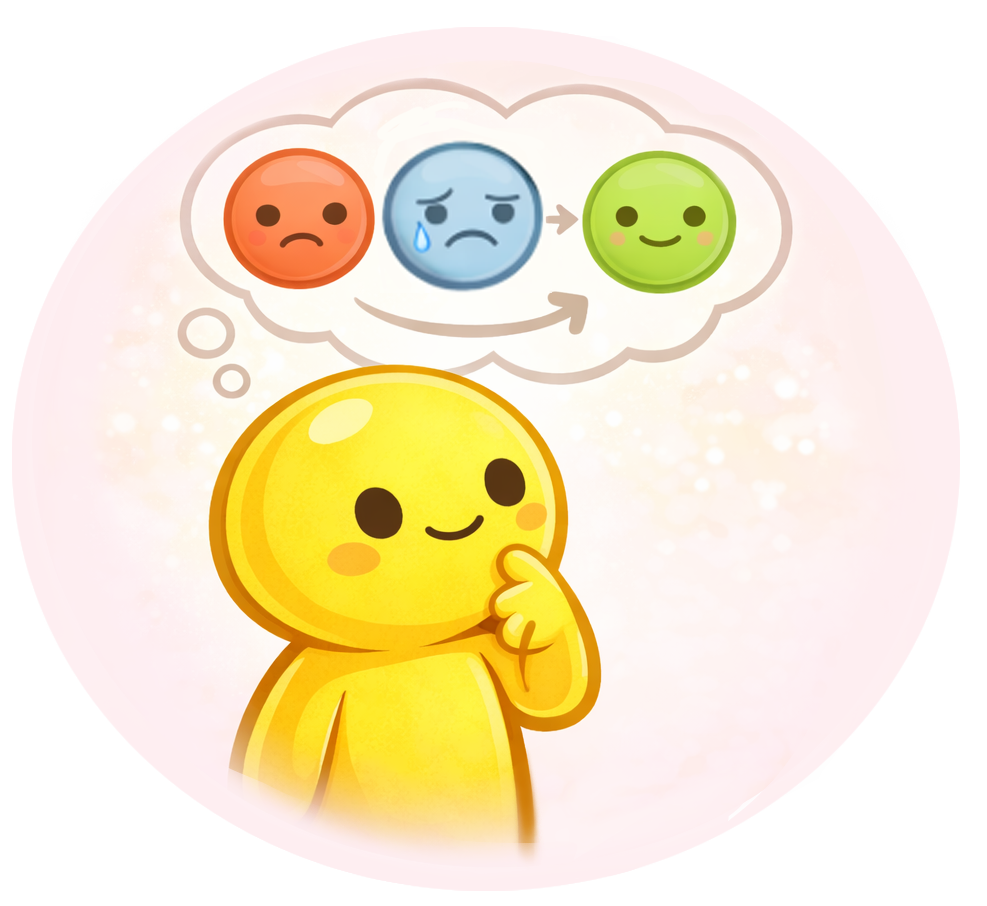
Understanding and managing big or complex feelings

Emotional Skills & Regulation

Building understanding, coping, and flexible responses to emotions and stress.

  • exploring emotions through visuals, games, body mapping, and discussion
  • developing personalised calming and regulation strategies
  • building coping tools for stress, anxiety, and overwhelm
  • supporting safe and flexible emotional expression
  • using sensory-based approaches tailored to individual needs and environments

Voice, Advocacy & Access

Speaking up, knowing your Rights and accessing what you need

Voice, Advocacy & Access

Supporting people to express themselves, make choices, and access the supports, opportunities, and environments that matter to them.

  • supporting self-advocacy, communication, and decision-making
  • supporting individuals and families through transitions and life changes
  • identifying barriers that may impact participation in school, work, health, or community life
  • exploring environmental, sensory, or routine adjustments that support accessibility and wellbeing
  • creating accessible resources, visual supports, and practical advocacy tools

Our Toolkit


Developing confidence, independence, creativity, and practical life skills in ways that feel engaging, flexible, and person-centred.

Play & Enjoyment

Learning through fun, curiosity and play

Play & Enjoyment

Supporting learning, wellbeing, and connection through play

  • using open-ended materials that encourage curiosity, creativity, and independence
  • following individual interests to guide play, learning, and connection
  • using imaginative and sensory play to support learning and emotional regulation
  • drawing on Montessori-inspired approaches to encourage autonomy and meaningful participation

Goal Setting & Strengths Exploration

Discovering personal strengths and working towards goals

Goal Setting & Strengths Exploration

Supporting people to better understand their strengths, interests, and goals in ways that feel meaningful and achievable.

  • exploring strengths, interests, and personal preferences through visual and interactive activities
  • supporting goal setting at a pace that feels comfortable and individualised
  • building confidence through strengths-based learning and everyday experiences
  • connecting strengths and interests to life skills, participation, and future opportunities

Daily Living & Functional Independence

Building confidence with everyday life skills

Daily Living & Functional Independence

Building confidence and independence with everyday life skills at home, school, and in the community.

  • supporting everyday routines and practical life skills
  • building confidence with hygiene, dressing, cooking, and meal preparation
  • supporting safety, participation, and community access
  • adapting routines, environments, and tasks to better suit individual needs, including sensory-friendly approaches

Family & Caregiver Support

Understanding strengths, needs and support goals

Family & Caregiver Support

Supporting families and caregivers with practical tools, guidance, and confidence in everyday life.

  • sharing practical strategies, routines, and helpful resources
  • coaching and modelling approaches for communication and emotional regulation
  • building confidence and consistency across home, school, and community environments
  • helping families navigate supports, services, and everyday challenges

Assessments & Reporting


Providing strengths-based assessments and planning supports to better understand each person’s goals, needs, wellbeing, and everyday functioning in meaningful and practical ways.

Strengths & Interests Exploration

Understanding strengths, needs and support goals

Strengths & Interests Exploration

We provide strengths-based, person-centred assessments and reports that help build a clearer understanding of a person’s needs, wellbeing, goals, and everyday functioning.

Assessments may include:

  • Developmental Profile-4 (DP-4)
  • Functional Capacity Assessments (FCA)
  • observations across home, school, or community settings
  • emotional and social wellbeing check-ins
  • strengths, interests, and support needs exploration

Collaborative Planning

Working together towards meaningful outcomes

Collaborative Planning

Working together to create supports and plans that reflect what matters most to you.

  • collaborating with individuals, families, teachers, therapists, support workers, and other services (with consent)
  • building shared understanding across the people involved in your supports
  • helping create consistent, personalised approaches across different environments and routines
  • supporting goals, communication, wellbeing, and everyday participation in meaningful ways

Positive Behaviour-Informed Practice

Understanding behaviour in educative and respectful ways

Positive Behaviour-Informed Practice

Understanding behaviour through respectful, proactive, and person-centred approaches.

While we do not currently provide formal Positive Behaviour Support (PBS) plans, our Developmental Educators are informed by PBS principles and neuroaffirming practice. We use supportive and preventative approaches to better understand behaviour, emotional regulation, communication, sensory needs, and environmental factors that may impact wellbeing and participation.

This may include using informal tools such as ABC observations, regulation supports, and collaborative strategies across different environments.

A validated screening tool for children from birth to 12 years of age, exploring the development across key domains including communication, social-emotional functioning, motor skills, adaptive behaviour, and cognitive abilities.

FCAs assess how a person manages daily tasks across various life domains, and are used to inform NDIS planning, goal setting, and funding decisions.

Through natural observations in home, school, or community settings, to gather insights into how individuals interact with their environment. This helps identify functional strengths and areas where additional support may be beneficial.

Exploring how individuals experience, express, and manage emotions and relationships. This includes understanding emotional triggers, regulation strategies, and supports that build resilience and social connection.

Book Online

Step 1 of 4
Start
Consent
Booking
Complete!

Just a minute…